
Music therapy harnesses the power of music to support your child’s expression, emotional regulation, motivation to learning, and positive change within a safe and supportive therapeutic space.
Research using neuroimaging suggests that music engages multiple brain areas, including those responsible for emotion, language, and social interaction, reinforcing its role in self-expression. Music can allow your child to communicate feelings they might not yet have words for. Studies suggest that musical activities like improvisation, songwriting, and rhythmic play help children process and express emotions more effectively and build on their social skills. Specific to developmental delays, autism, PMLD (profound multiple and learning disability) or trauma history, music therapy can enhance executive functioning, speech, and cognitive abilities.
In Music Therapy, the goal is to build a trusting connection where children feel supported in exploring their emotions, experiences, and inner world, knowing they are truly heard and understood.
What happens in a session
- Engaging ‘Hello’and ‘Goodbye’ songs to frame each session
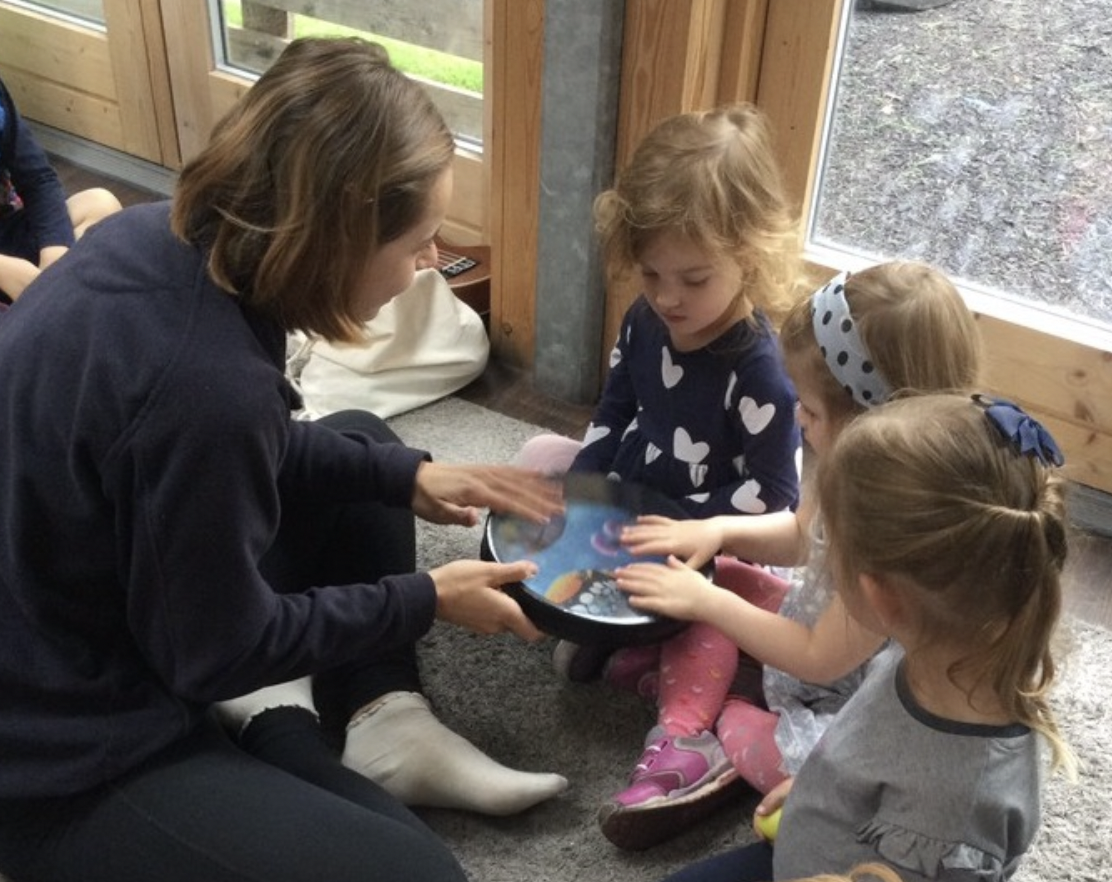
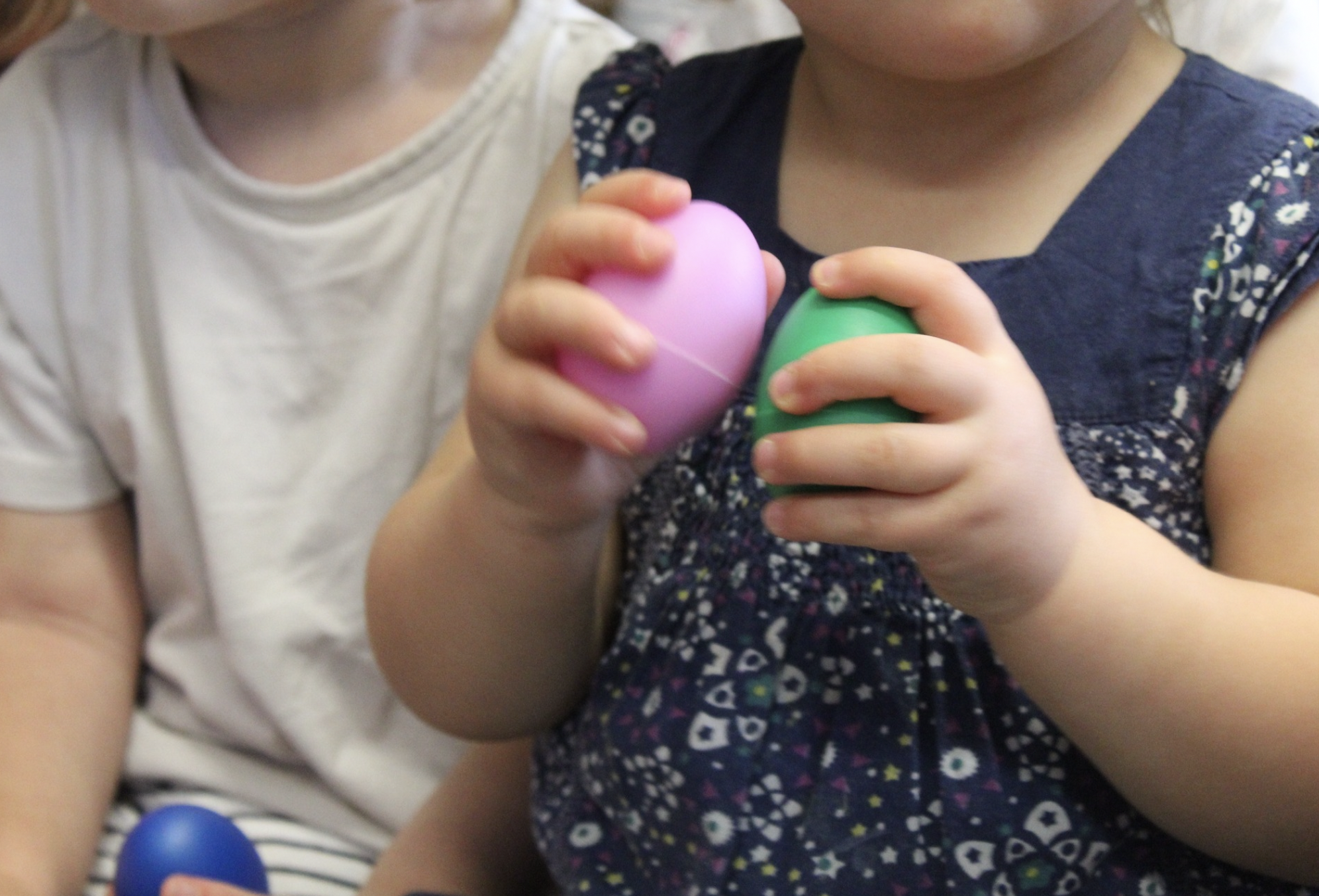
- Use of various instruments to your child’s liking
- Child-led music-making and improvisation
- Exploring, playing, and choosing promoting your child’s cognitive and communication skills
- Turn-taking and sharing
- Verbal and sung commentary or reflection on the music created
 musicwithbara.com